Spanish
 Russian
 Arabic

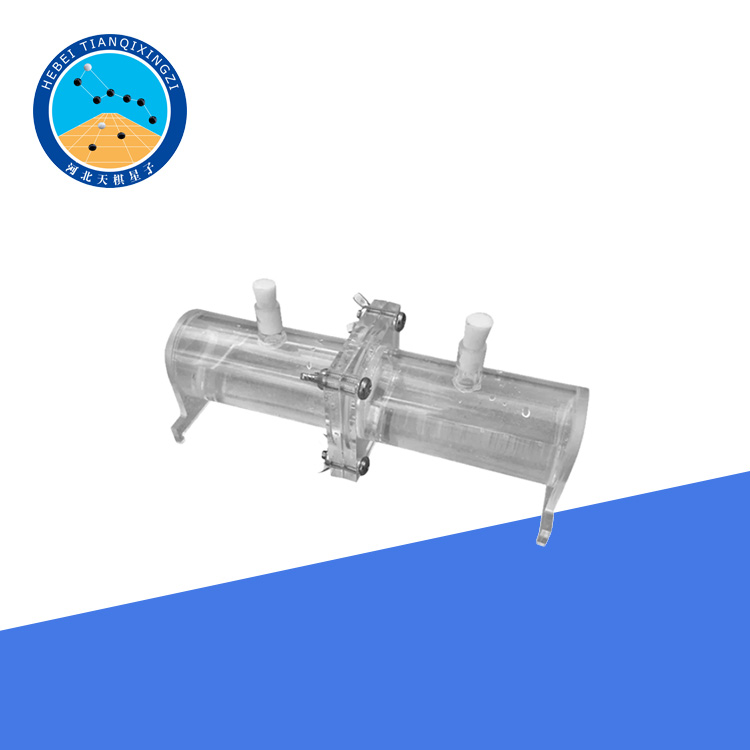

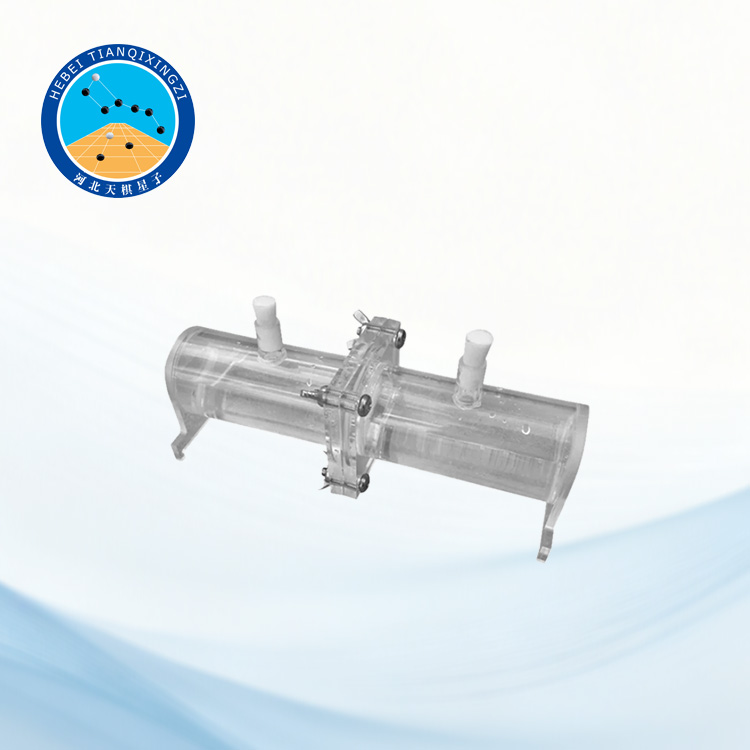
Products Description
يُعدّ جهاز اختبار نفاذية أيونات الكلوريد هذا جهازًا متخصصًا يُستخدم لتقييم قدرة الطلاءات الواقية (أو الطلاءات المضادة للتآكل) على أسطح الخرسانة على منع اختراق أيونات الكلوريد. ويُستخدم هذا الجهاز بشكل شائع في هندسة الموانئ، وهندسة الجسور، والهندسة البحرية، ومجالات أبحاث المتانة.
جهاز اختبار نفاذية أيونات الكلوريد في طلاء الخرسانة
الموديل: TDJT-275
أولاً: مقدمة عن المنتج
يستخدم هذا المنتج لتقييم أداء الحاجز لطلاءات أسطح الخرسانة (مثل الطلاءات المضادة للتآكل، والمواد المقاومة للماء، وما إلى ذلك) ضد اختراق أيون الكلوريد، ومحاكاة التأثير الوقائي للطلاءات في ظل ظروف تآكل ملح الكلوريد مثل البيئات البحرية أو ملح إزالة الجليد، وتوفير دعم البيانات لأبحاث وتطوير مواد الطلاء، والاختيار الهندسي، وقبول الجودة.
المعايير المطبقة:
المعايير الدولية: ASTM C1202، ASTM C1556، NT BUILD 492، AASHTO T277.
المعيار الصيني: GB/T 50082-2009 "طرق اختبار الأداء طويل الأمد ومتانة الخرسانة العادية".
المعيار الصناعي: JTJ 275-2000 "المواصفات الفنية لحماية الهياكل الخرسانية من التآكل في هندسة الموانئ".
ثانيًا: خصائص المنتج
تصميم متعدد الوظائف: متوافق مع كلٍ من طريقة التدفق الكهربائي وطريقة معامل الانتشار، وقابل للتكيف مع مختلف المعايير الوطنية.
قياس عالي الدقة: يستخدم مقياس توصيل رقمي أو نظام جمع بيانات تلقائي لضمان دقة البيانات.
بنية معيارية: تصميم خلية التحليل الكهربائي القابلة للفصل يدعم عينات بأحجام مختلفة (مثل: قطر 100 مم × 50 مم).
مواد مقاومة للتآكل: الخلية الإلكتروليتية مصنوعة من البولي فينيل كلوريد (PVC) أو البلكسي جلاس، والأقطاب الكهربائية مصنوعة من البلاتين/الفولاذ المقاوم للصدأ، وهي مقاومة للتآكل الناتج عن رذاذ الملح.
تشغيل ذكي: بعض الطرازات مزودة ببرنامج تحكم يعرض منحنى التيار/الجهد في الوقت الفعلي ويُنشئ التقارير تلقائيًا.
III. الإجراء التجريبي لتحضير صفيحة الاختبار
1. تصنيع الصفيحة المطلية للتجربة: تم استخدام ورق ناعم مطلي بمقاس 150 مم × 150 مم كمادة معززة.
2. افرده بالتساوي على اللوح الزجاجي وطبق طبقة الطلاء التجريبية المقابلة وفقًا للتعليمات الواردة في الدليل.
3. ضع طبقة واحدة من الطلاء التمهيدي، ثم طبقتين من الطلاء المتوسط، وطبقة واحدة من الطلاء النهائي. بعد وضع كل طبقة، انزع ورقة القياس من اللوح الزجاجي فورًا وعلقها على حبل. انتظر 24 ساعة قبل وضع الطبقة التالية.
4. كرر هذه العملية، باستخدام مقياس الفيلم الرطب للتحكم في إجمالي سمك الفيلم الجاف للطلاء إلى 250-300 ميكرومتر.
5. تم صنع ثلاث صفائح مطلية باستخدام هذه الطريقة. بعد الإنتاج، تم تعليقها في الداخل للمعالجة الطبيعية لمدة 28 يومًا، ثم تم قياس سمك الصفائح المطلية باستخدام مقياس سمك مغناطيسي للاختبار. (اعتمادًا على وقت تجفيف الطلاء).
رابعاً: طرق الاختبار
1. قُصّ صفيحة الطلاء المتحركة المُجهزة إلى عينات دائرية بقطر 60 مم.
2. أجرِ اختبار مقاومة اختراق أيونات الكلوريد.
٣. ضع الجانب المطلي من العينة باتجاه محلول كلوريد الصوديوم بتركيز ٣٪ (ماء مالح) (يمكن استخدام ماء البحر أو ماء النهر أو محلول كلوريد الصوديوم بتركيز مشابه للمحلول المستخدم في موقع البناء)، والجانب الآخر من الورقة الرقيقة باتجاه الماء المقطر. استخدم ثلاث مجموعات من الأجهزة.
٤. أجرِ الاختبار في درجة حرارة الغرفة داخل المبنى. بعد ٣٠ يومًا، استخدم جهاز تحليل أيونات الكلوريد لمادة تخثر الخرسانة CL-UI لتحديد محتوى أيونات الكلوريد في الماء المقطر.