Spanish
 Russian
 Arabic

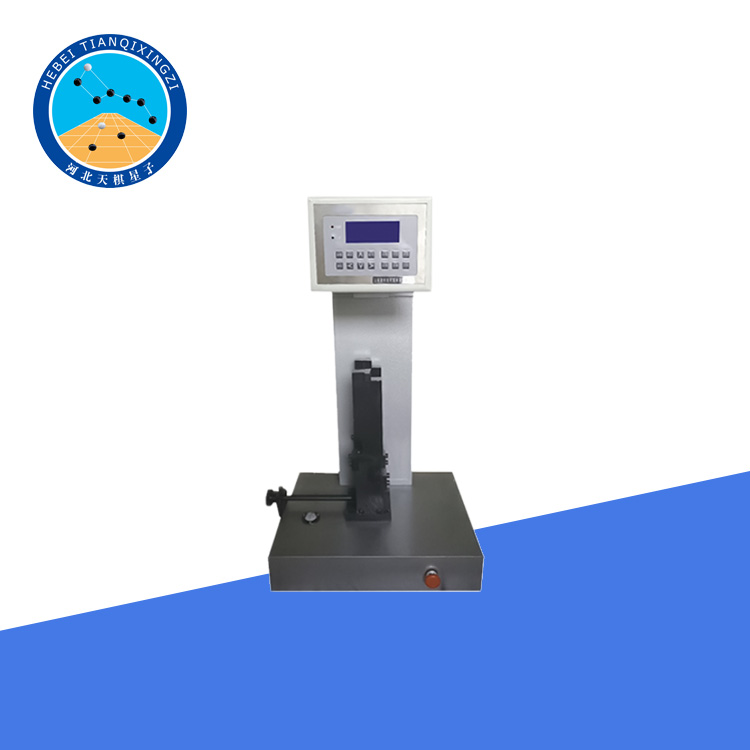

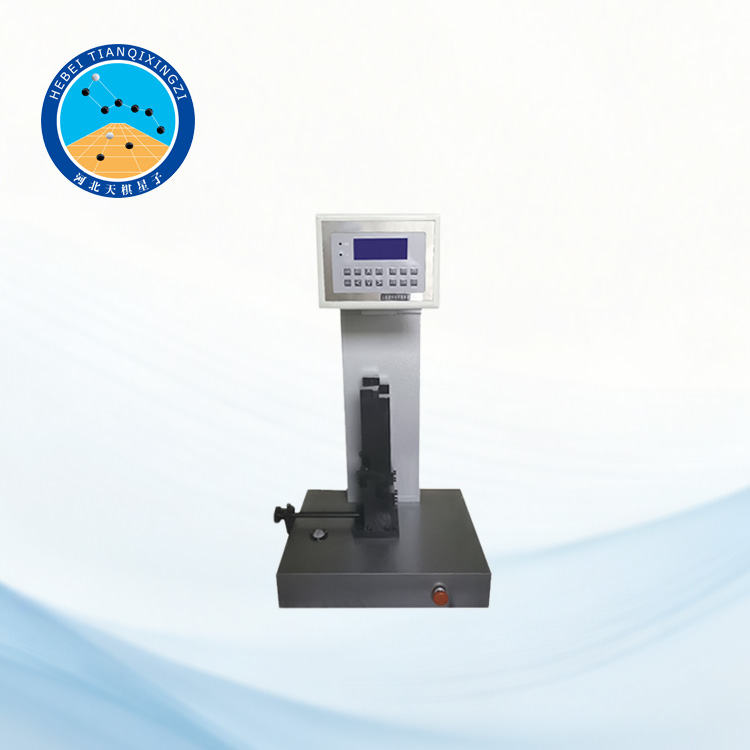
Products Description
تُستخدم آلة اختبار مقاومة الصدمات للأسمنت المزودة بشاشة عرض رقمية لتحديد مقاومة الصدمات لمونة الأسمنت أو المواد الأسمنتية في ظل ظروف محددة. وهي مناسبة للمختبرات في المؤسسات البحثية ووحدات فحص الجودة والشركات الصناعية. يعتمد الجهاز على شاشة عرض رقمية وتقنية تحكم إلكترونية، مما يضمن عملية اختبار مستقرة وبيانات واضحة، وتقييمًا فعالًا لمتانة وسلامة المواد تحت تأثير أحمال الصدمات.
جهاز اختبار تأثير الأسمنت بشاشة عرض رقمية
الموديل: TDXJ-50D
أولاً: نظرة عامة على المنتج
تُتحكم آلة اختبار صدمات الأسمنت الرقمية بواسطة وحدة تحكم دقيقة، وتتميز بشاشة LCD لسهولة التشغيل. يوفر الجهاز واجهة استخدام سهلة، ودقة قياس عالية، ويعرض طاقة الصدم تلقائيًا. كما يحسب تلقائيًا قوة الصدم لكل عينة على حدة، ومتوسط قوة الصدم لمجموعة كاملة من العينات. يتم تحرير المطرقة كهربائيًا، والآلة بأكملها مصنوعة من إطار فولاذي صلب مُعالج حراريًا لمنع التشوه مع مرور الوقت.
تم تصميم جهاز اختبار تأثير الأسمنت ذو الشاشة الرقمية وفقًا للمعيار GB/T 15231 (طرق اختبار خصائص الأسمنت المقوى بالألياف الزجاجية)، وهو متوافق مع المعايير الدولية ذات الصلة بما في ذلك ISO 679 و EN 1170 و EN 196-1 و ASTM C947 لاختبار المواد القائمة على الأسمنت والمواد GRC.
ثانيًا: المعايير الفنية
1. قيم طاقة وعزم دوران البندول
طاقة البندول | 1 J | 2 J | 4 J | 5 J | 7.5 J | 15 J | 25 J |
عزم البندول
| 0.5155 Nm | 1.0311 Nm | 2.0622 Nm | 2.5777 Nm | 3.8662 Nm | 7.7324 Nm | 12.8888 Nm |
٢. سرعة الاصطدام: ٢.٩ م/ث، ٤.٢ م/ث.
٣. زاوية الرفع المسبق للبندول: ١٦٠ درجة.
٤. المسافة من محور البندول إلى مركز العينة: ٢٢١ مم، ٤٧٠ مم.
5. نصف قطر الفك: 1 مم
6. زاوية ميل الشفرة الداعمة: 5 درجات
7. زاوية خلوص الشفرة الداعمة: 10 درجات
٨. زاوية شفرة الصدم: ٢١.٢ درجة
٩. نصف قطر شفرة الصدم: ٤ مم
١٠. أنواع العينات، أبعادها، ومدى الدعم
نوع العينة | الطول L (مم) | العرض ب (مم) | السُمك د (مم) | مدى الدعم (مم) |
1 | 80±2 | 10±0.5 | 4±0.2 | 60 |
2 | 50±1 | 6±0.2 | 4±0.2 | 40 |
3 | 120±2 | 15±0.5 | 10±0.5 | 70 |
4 | 125±2 | 13±0.5 | 13±0.5 | 95 |
5 | 120±2 | 50±0.5 | 10±0.2 | 70 |
ثالثًا: الصيانة والإصلاح
١. في حال الحاجة إلى نقل جهاز الاختبار، يجب إزالة البندول لتجنب تلف الأجزاء نتيجة التأرجح المتكرر.
٢. عند عدم الاستخدام، يجب طلاء البندول بزيت مانع للصدأ وتخزينه في صندوق الملحقات.
3. لا تقم بفك أو استبدال أي جزء من أجزاء البندول إلا عند الضرورة القصوى، فقد يؤدي ذلك إلى تغيير عزم دوران البندول ومسافة الارتطام.
4. قبل الاستخدام، تأكد من إحكام ربط براغي التثبيت على البندول وقضيب البندول.
رابعاً: خطوات التثبيت:
١. عند فتح صندوق التغليف والتعامل معه، تجنب إمالته بشدة أو تعريضه للاصطدامات أو الاهتزازات القوية.
٢. قبل تركيب جهاز الاختبار، نظّف أي زيت مانع للصدأ تم وضعه أثناء التغليف، وامسح أي غبار بقطعة قماش قطنية. لا تفكك أي أجزاء دون داعٍ أثناء المسح.
٣. يجب أن تكون المنطقة المحيطة بموقع تركيب جهاز الاختبار خالية من الاهتزازات والمواد المسببة للتآكل.
٤. يجب تركيب جهاز الاختبار على قاعدة صلبة بكتلة لا تقل عن ٤٠ ضعف كتلة البندول الكبير المستخدم. يجب ضبط استواء القاعدة بدقة ٠٫٢/١٠٠٠، ويجب حفر ثقوب مسامير التثبيت مسبقًا في القاعدة.