Spanish
 Russian
 Arabic


Products Description
يُعد نظام اختبار التشققات الانعكاسية في الخلطات الإسفلتية المُتحكم به بواسطة الحاسوب الصغير (يُشار إليه فيما يلي بنظام اختبار التشققات الانعكاسية) أداةً لدراسة عملية تطور التشققات الانعكاسية في الخلطات الإسفلتية بالكامل، بدءًا من التشقق وحتى الانهيار عند درجات حرارة منخفضة. ويمكنه محاكاة حدوث وتطور التشققات الانعكاسية في رصف الطرق الإسفلتية بشكل واقعي في ظل التغيرات الدورية في درجات حرارة الطقس.
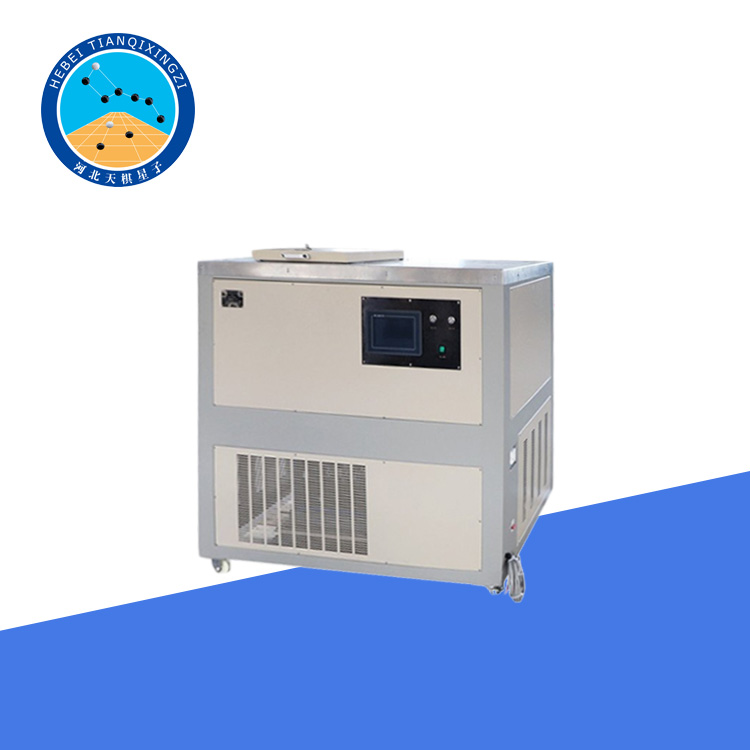
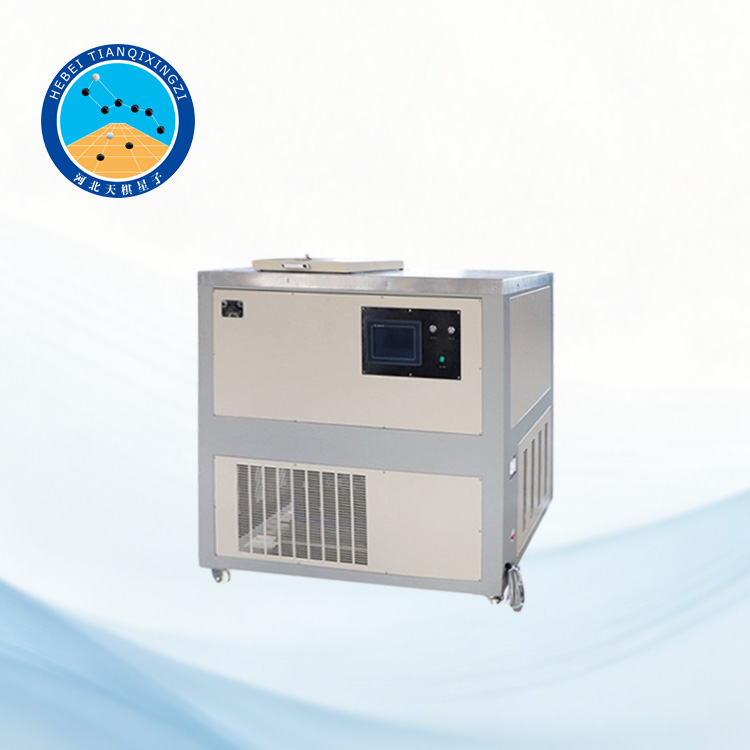
نظام اختبار التشققات العاكسة لخليط الأسفلت
الموديل: TDYZ-J
أولاً: مقدمة عن المنتج
في السنوات الأخيرة، أدت العديد من طرق تصميم الخلطات الإسفلتية الجديدة إلى إنتاج خلطات ذات صلابة أكبر، وسماكة أقل، ومقاومة أقوى لحركة مرور المركبات. مع ذلك، فإن هذه المواد أكثر عرضة للإجهاد والتشقق الانعكاسي. صُمم هذا الجهاز لمحاكاة حركات التمدد والانكماش عند وصلات البلاطات أو بالقرب من الشقوق. في التطبيقات الهندسية، تؤدي هذه الحركات إلى تشقق انعكاسي في الأسطح المعبدة. زيادة نسبة الإسفلت تُحسّن بشكل ملحوظ مقاومة الخلطة للتشقق الانعكاسي؛ أما المواد ذات المقاومة الضعيفة فتنهار في غضون دقائق.
لا يقتصر دور هذا الجهاز على وصف نشأة وتطور الشقوق في الخلطات الإسفلتية فحسب، بل يوفر أيضًا نتائج اختبار سريعة وقابلة للتكرار بدرجة عالية. تُظهر نتائج الاختبار ارتباطًا وثيقًا بنتائج اختبار إجهاد انحناء العوارض وأداء المادة في الموقع عند درجات الحرارة المنخفضة. يستخدم نظام اختبار الشقوق الانعكاسية عينات ذات أحجام قياسية (عادةً 150 مم طولًا، 75 مم عرضًا، و12-50 مم ارتفاعًا) وفقًا للمواصفات. يمكن الحصول على العينات مباشرةً من عينات لب الطريق أو قصها من عينات باستخدام مدحلة دوارة في المختبر. تُلصق العينة بدقة على لوحتي اختبار باستخدام دعامة لاصقة ومادة لاصقة خاصة، ثم تُركب على إطار تحميل. أثناء الاختبار، تستخدم آلية التحميل موجة مثلثية للتحميل المستمر، بالتناوب بين إجهادات الشد والضغط على العينة (التحميل أحادي القطب أو ثنائي القطب اختياري) لمحاكاة حركة طبقة تآكل الطريق جنبًا إلى جنب مع حركة المادة الصلبة المتشققة الموجودة أسفلها. يتوقف الجهاز تلقائيًا عن العمل عند وصول الاختبار إلى حالة الإنهاء.
ثانيًا: مميزات المنتج:
1. مصمم وفقًا لمعايير ASTM الأمريكية.
2. يتم التحكم والتشغيل الأساسيان عبر شاشة لمس، بينما تتم عمليات الاختبار ومعالجة البيانات عبر جهاز كمبيوتر.
3. وظائف تحكم شاملة للاختبار، تتضمن أوضاع تحميل أحادية القطب وثنائية القطب، وإعدادات متعددة ومرنة للتحكم في الإيقاف.
4. تصميم عالي الكفاءة لحجرة التبريد منخفضة الحرارة مع مروحة طرد مركزي خارجية، مما يضمن تبريدًا سريعًا ومتجانسًا.
٥. نظام تحميل أفقي مزود بمحامل خطية ومنزلقات دقيقة.
٦. محركات سيرفو عالية الدقة ومحركات خطوية ذات خطوات دقيقة للغاية.
٧. يحتوي الغلاف على وحدة التقاط فيديو مزودة بعدسة واسعة الزاوية، مما يتيح لك معاينة الشقوق على شاشة الكمبيوتر.
ثالثًا: المعايير الفنية
1. أقصى حمل: 20 كيلو نيوتن، الدقة: 0.001 كيلو نيوتن، نسبة الخطأ: 0.25%
2. أقصى شوط: 15 مم (في الظروف العادية)
3. نطاق قياس الإزاحة: 0-10 مم، الدقة: 1 ميكرومتر
4. نوع مستشعر الإزاحة: مؤشر رقمي
5. طريقة التحميل: حلقة مغلقة للإزاحة، حلقة مغلقة للحمل
6. شكل موجة التحميل: موجة مثلثية (أحادية القطب/ثنائية القطب)
7. نطاق التحكم في درجة الحرارة: -5 إلى 40 درجة مئوية (إمكانية التخصيص متاحة حسب المتطلبات الخاصة)
8. دقة التحكم في درجة الحرارة: 0.5 درجة مئوية
9. شروط إيقاف الاختبار: تغير الإزاحة تحت حمل ثابت؛ تغير الحمل تحت إجهاد ثابت؛ عدد دورات التحميل