Spanish
 Russian
 Arabic

Products Description
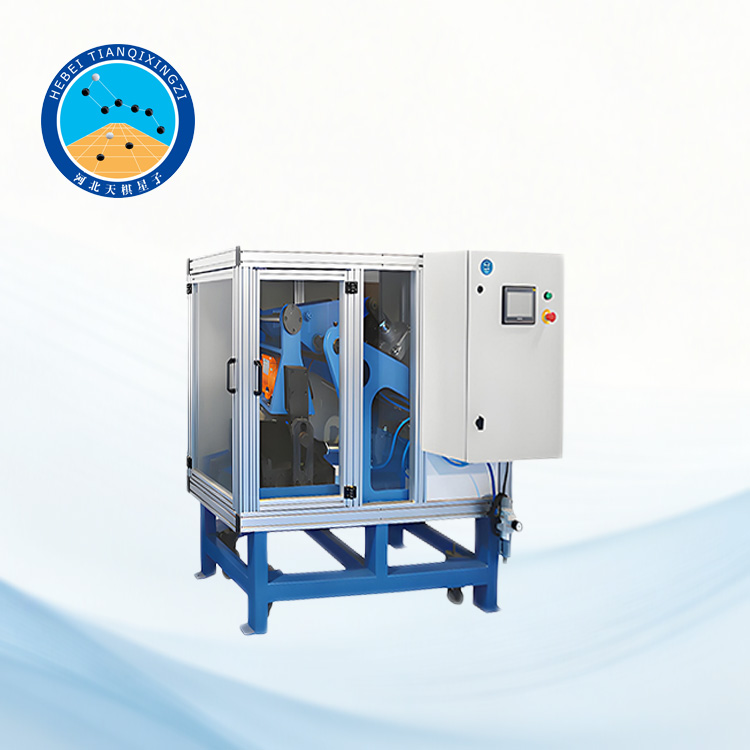
ببساطة، تعد آلة تشكيل خليط الأسفلت الاهتزازية هذه قطعة أساسية من المعدات المستخدمة في المختبر لمحاكاة عملية دحرجة مدحلة الطريق الاهتزازية الحقيقية، وذلك لإعداد عينات خليط الأسفلت الأقرب إلى ظروف البناء في الموقع.
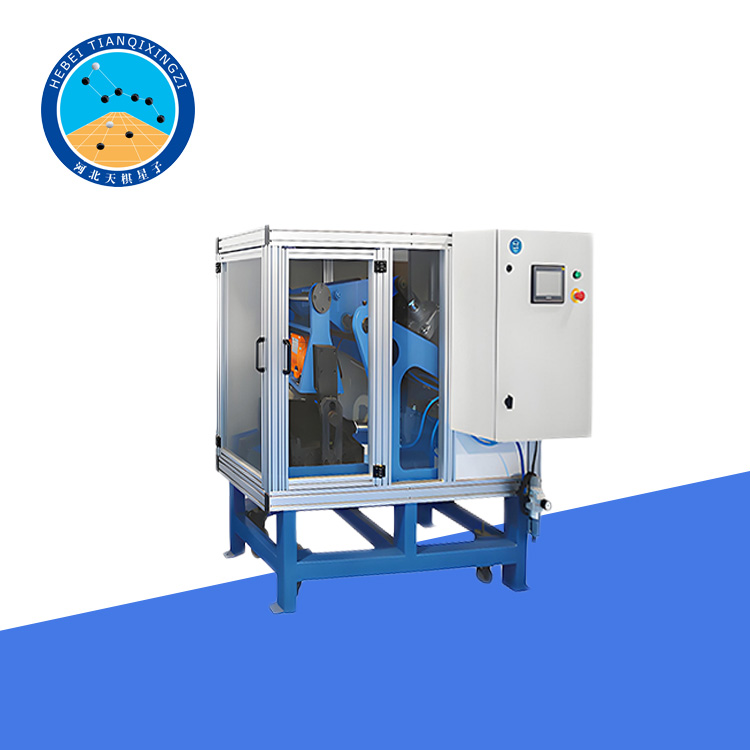
مدحلة ضغط الأسفلت الهوائية المخبرية لتتبع العجلات ومدحلة اهتزازية للألواح
الموديل: LQJHR-1
أولاً: نظرة عامة على المنتج
تستخدم هذه المعدات بكرات واهتزازات لتشكيل عينات من خليط الأسفلت، مما يسمح بالتحكم الفعال في كثافة العينات وتجانسها. ويمكن استخدام العينات المشكلة لاختبارات التخدد أو تقطيعها إلى عينات انحناء صغيرة لإجراء فحوصات ذات صلة.
ثانياً: المعايير
EN 12697-33 - الخلطات الإسفلتية - طريقة الاختبار - الجزء 33: العينة المُحضّرة بواسطة مدكّة أسطوانية
ASTM D8079 - الممارسة القياسية لتحضير عينات الخلطة الإسفلتية المدكوكة باستخدام مدكّة أسطوانية
AASHTO R 83 - الممارسة القياسية لتحضير عينات الخلطة الإسفلتية المدكوكة بواسطة مدكّة أسطوانية
ثالثًا: مميزات المنتج:
يستخدم نظام تحكم مطوّرًا بشكل مستقل، مما يضمن السلامة والموثوقية والاستقرار. يتميز هذا النظام بوظائف حماية ذاتية شاملة وقدرة على العمل بشكل متواصل في ظروف عمل معقدة.
يستخدم لوحة تحكم تعمل باللمس ملونة، مما يُسهّل ضبط المعلمات والتشغيل، ويعرض بيانات عملية العمل في الوقت الفعلي.
مزود بمحول تردد من باناسونيك، حيث يمكن ضبط تردد الاهتزاز بشكل دقيق من 0 إلى 50 هرتز.
يبلغ أقصى حمل للضغط 55 كيلو نيوتن، وهو ما يعادل أقصى حمل لآلة دك التربة الثابتة في الموقع.
تشكيل آلي لمرة واحدة للعينات وفقًا لارتفاع أو كثافة محددة مسبقًا.
يمكن إتمام عملية تشكيل كل عينة في أربع مراحل كحد أقصى. يمكن ضبط كل مرحلة على حدة من حيث الضغط، وتردد الاهتزاز، وعدد دورات الدرفلة لمحاكاة دحرجة عجلات الصلب المهتزة في الموقع.
أبواب الأمان: يؤدي فتح أي من أبواب الأمان الثلاثة إلى قطع إمداد الغاز والطاقة عن الجهاز، مما يحمي المشغل ويمنع التشغيل العرضي.
يمكن استخدام العينات لاختبارات التخدد. بعد حفر اللب، يمكن استخدامها لاختبارات الشد غير المباشر أو تقطيعها إلى عينات صغيرة لاختبار إجهاد العوارض.
قوالب الاختبار هي نفسها المستخدمة في اختبارات التخدد، ويمكن اختيارها كمعدات إضافية.
رابعاً: المعايير الفنية
أقصى حمولة للأسطوانة: 55 كيلو نيوتن
سعة حركة الأسطوانة: ±150 مم
تردد الدحرجة: قابل للتعديل، بحد أقصى 8 مرات/دقيقة
سماكة العينة: 40~120 مم (قابلة للتعديل)
تردد الاهتزاز: 0~50 هرتز (قابل للتعديل)
الهواء المضغوط: 0.6~0.8 ميجا باسكال، 700 لتر/دقيقة
أبعاد القالب: 300×300 مم (قياسي)، 300×400 مم، 305×305 مم، 305×405 مم (قابلة للتخصيص)
مصدر الطاقة: 220 فولت، 50/60 هرتز
القدرة: 1000 واط
الأبعاد: 1780×950×1550 مم
الوزن: تقريبًا 750 كجم